
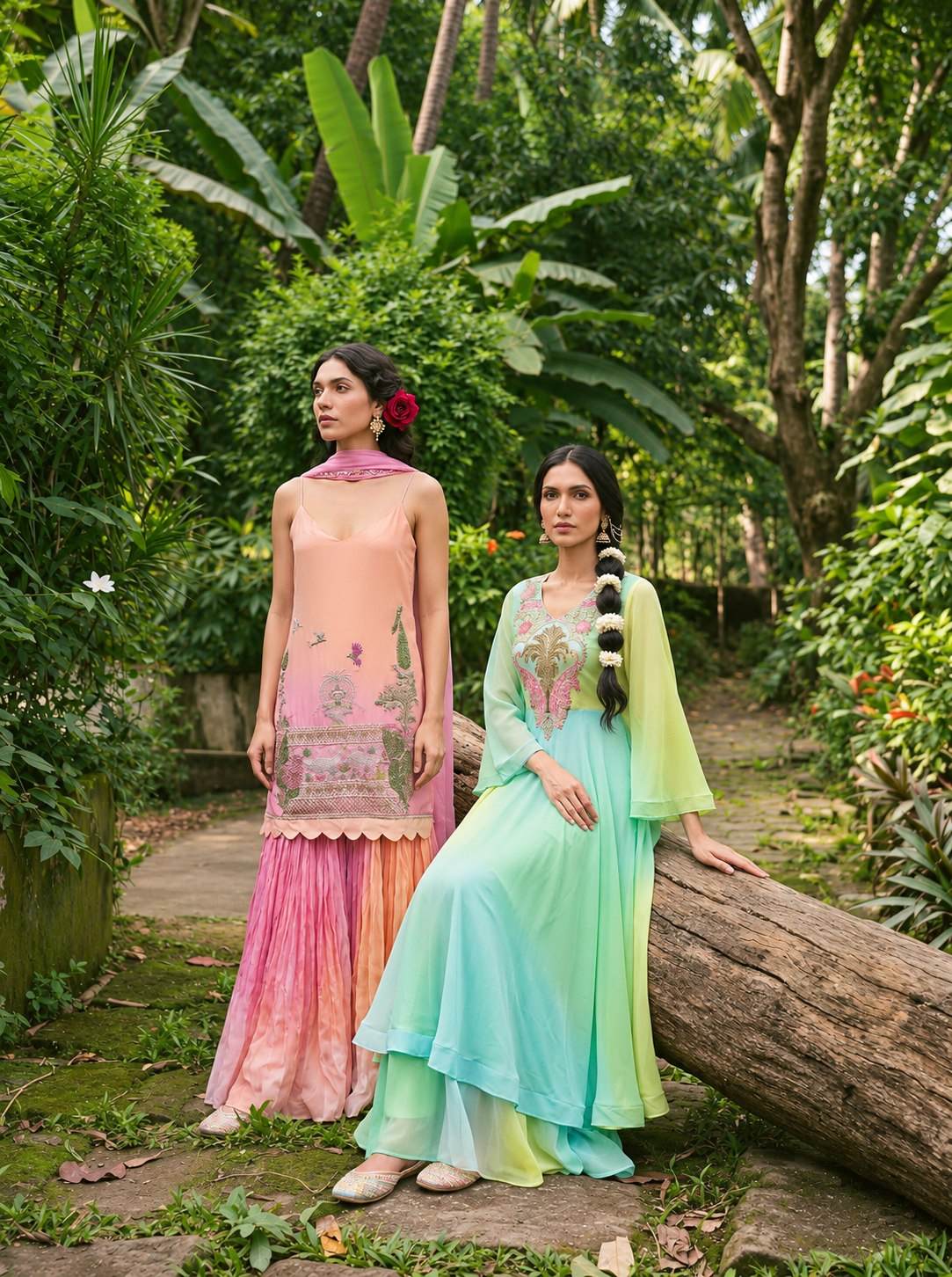
A New Perspective on Indian Elegance
An exploration of heritage, individuality, and the ever-evolving art of dressing Indian.
Read the storyAnanti editorial
An exploration of heritage, individuality, and the ever-evolving art of dressing Indian.
Discover the storyRooted in craft. Made your own.
An exploration of heritage, individuality, and the ever-evolving art of dressing Indian.
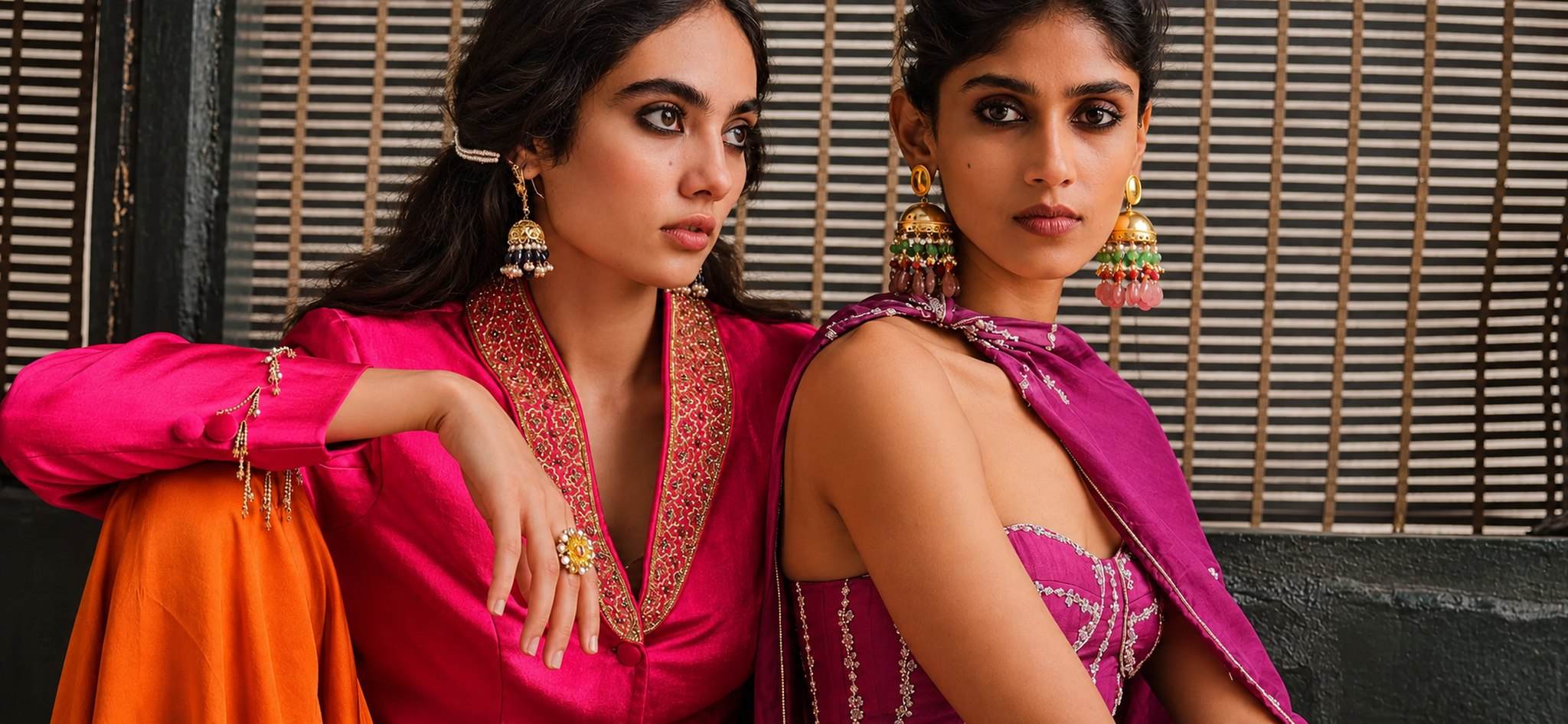
Begin with the occasion. Make the rest your own.
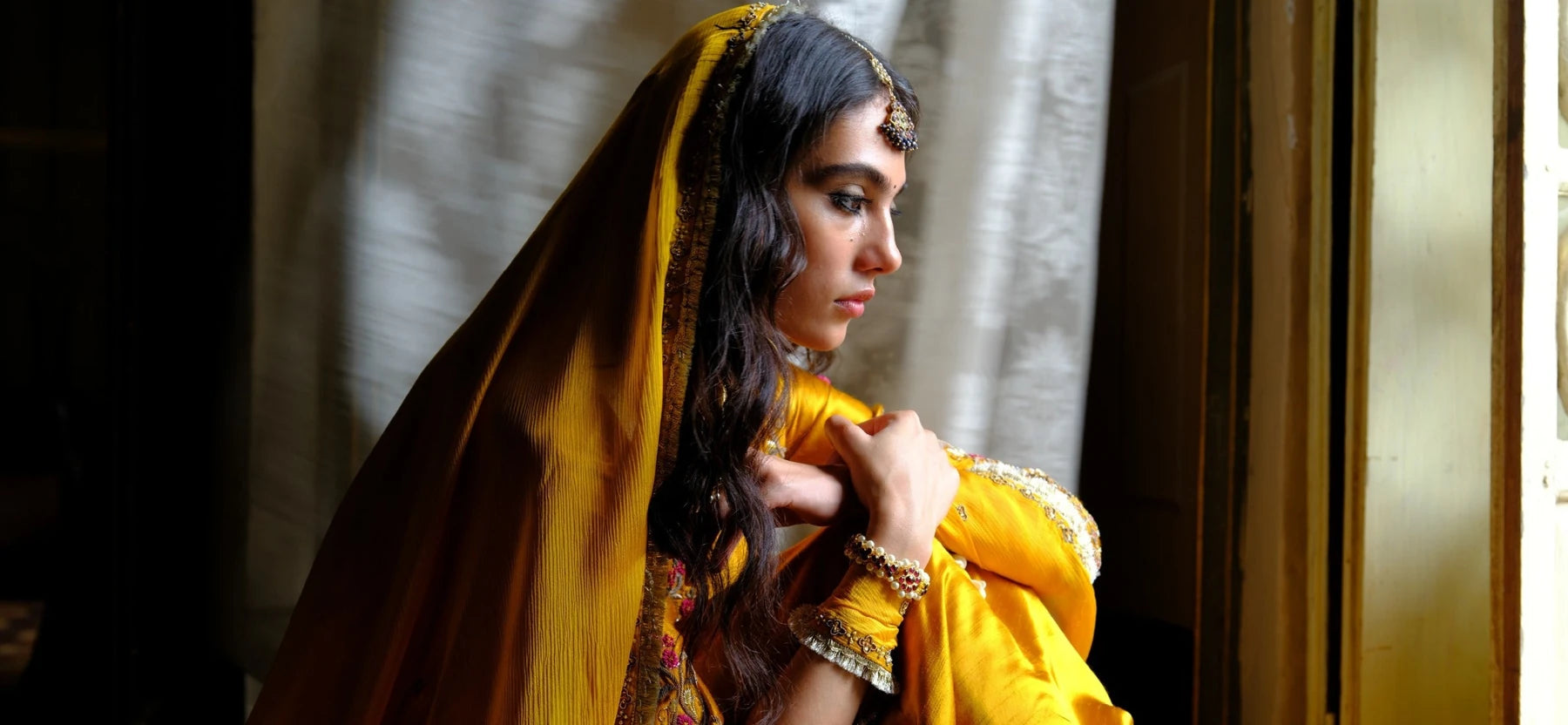
Contrast, harmony, and the shades you keep coming back to.
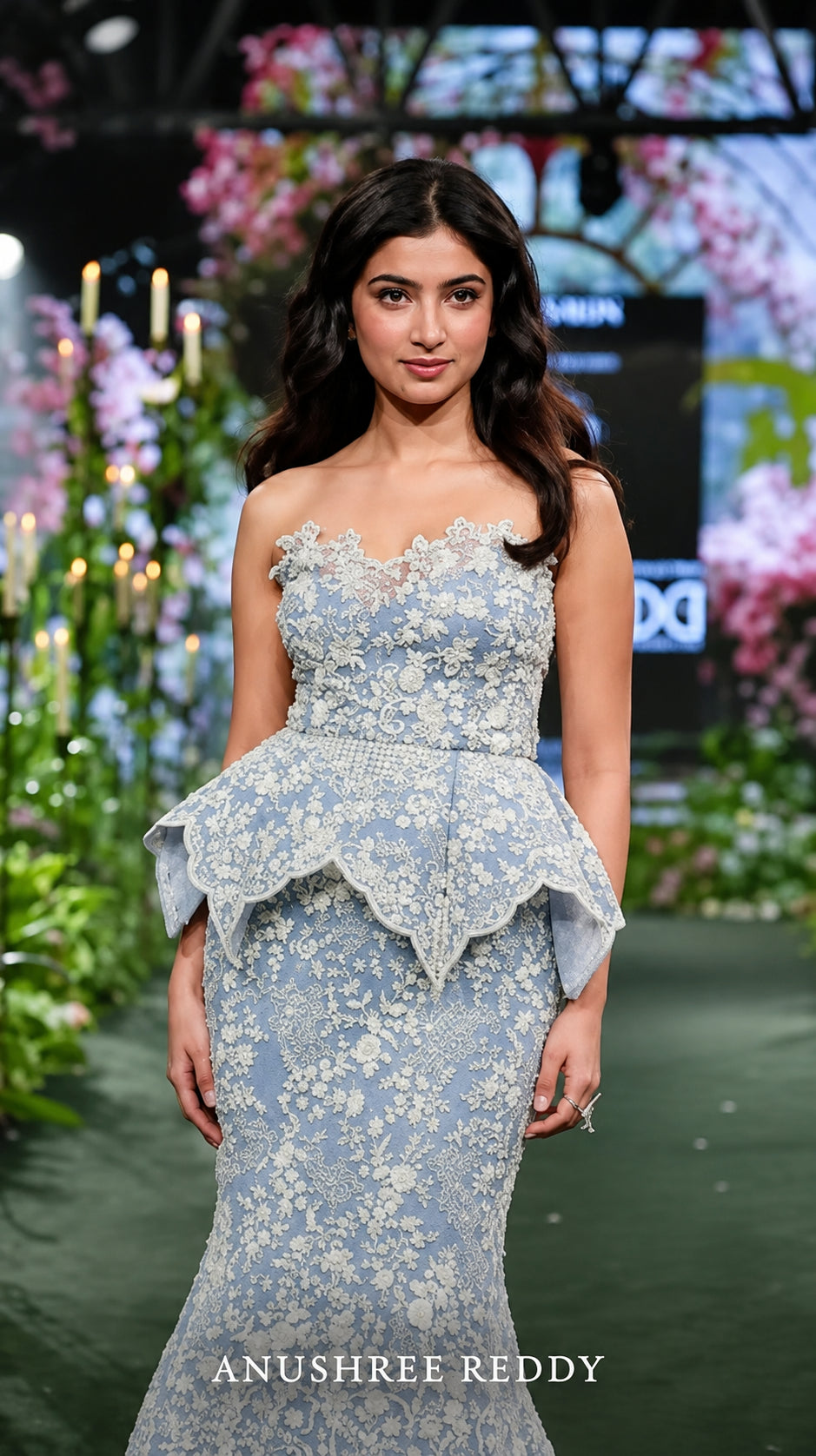
Indian bridal couture, reimagined.
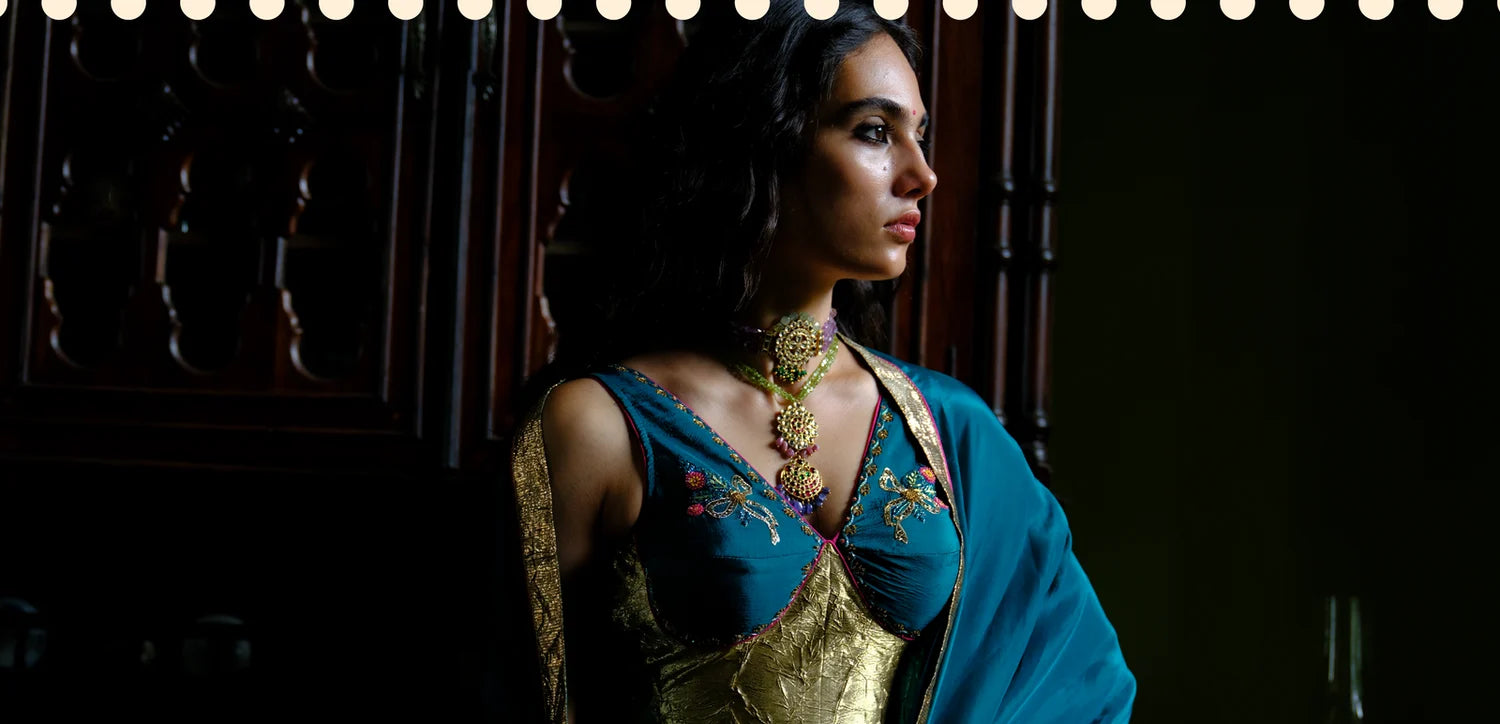
A mother, a daughter, a safety pin and a blue silk sari that keeps finding somewhere new to go. A short story for the things we keep.
Read the story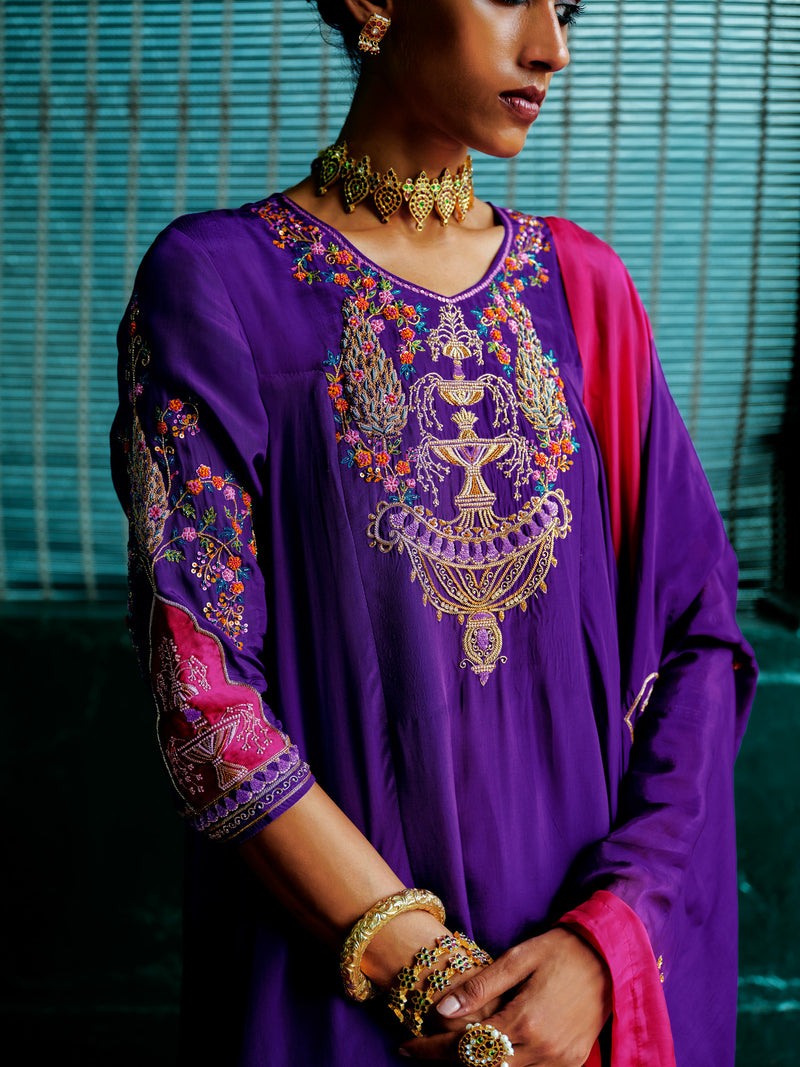
Aari, zardozi, chikankari: a small vocabulary for looking at beautiful clothes with a more curious eye.
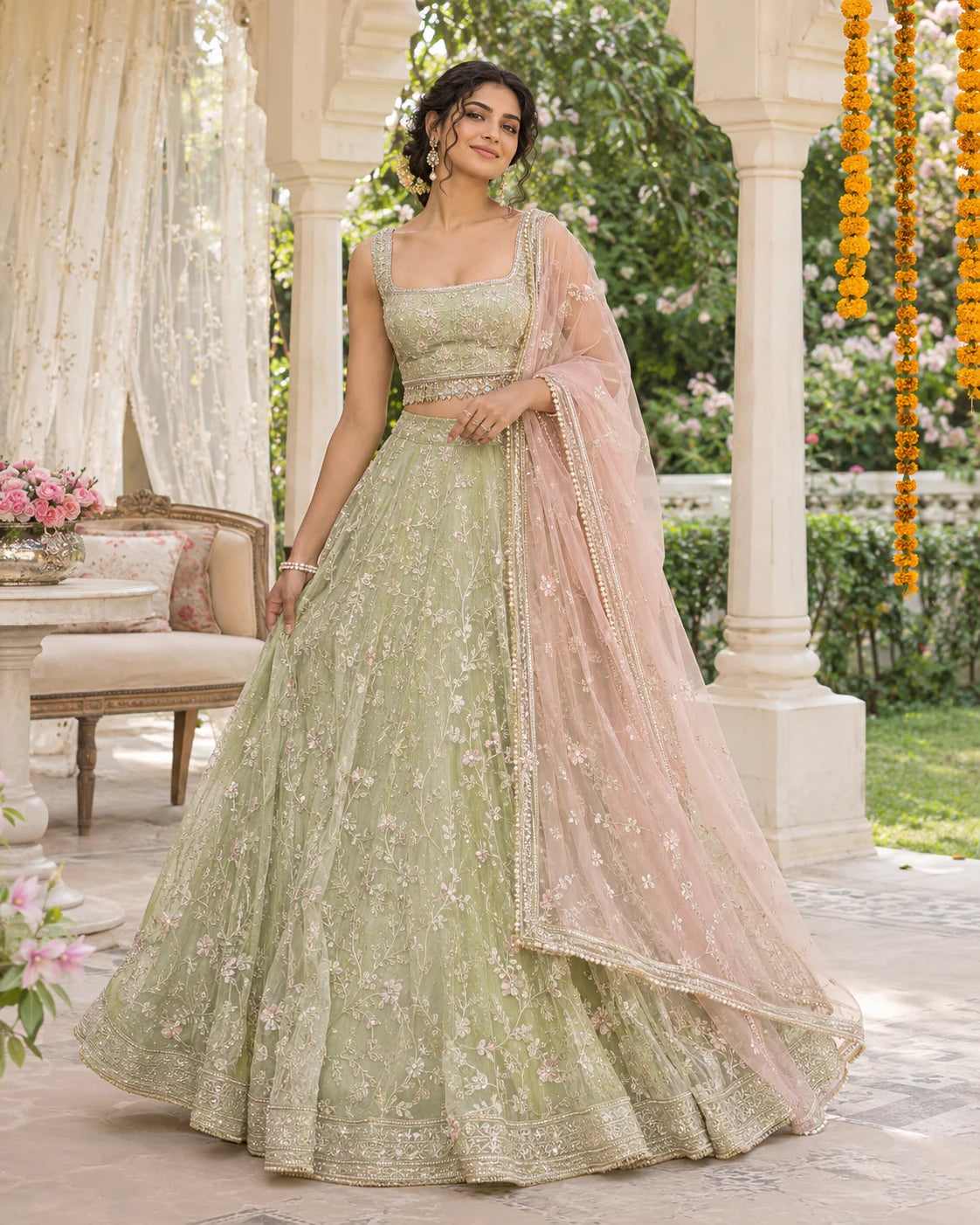
The invitation says mehendi. Your saved folder says Mayfair. Somewhere between the two is a very good outfit.
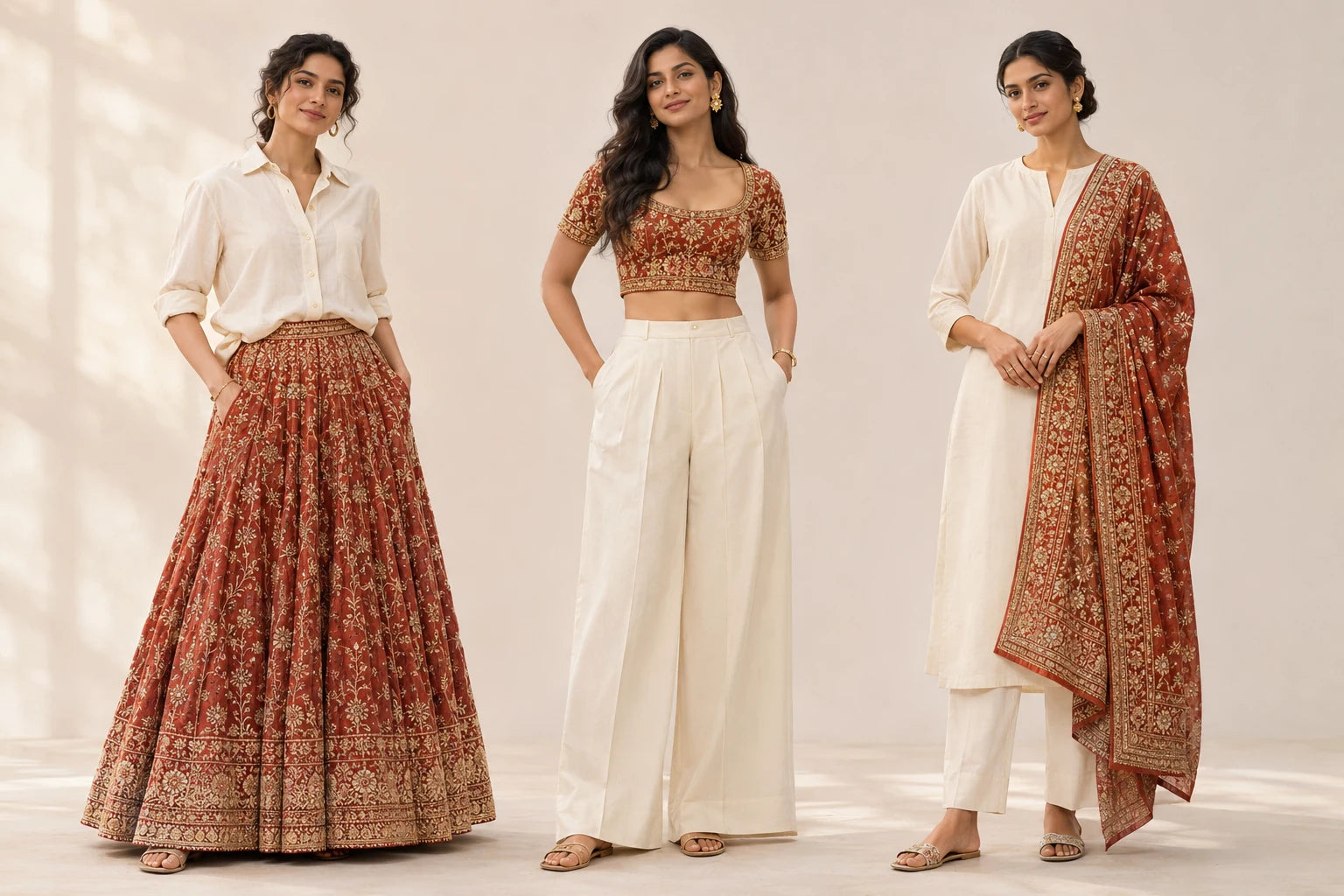
The skirt would like to meet a shirt. The blouse has been eyeing your trousers. A small experiment for the outfit you already love.
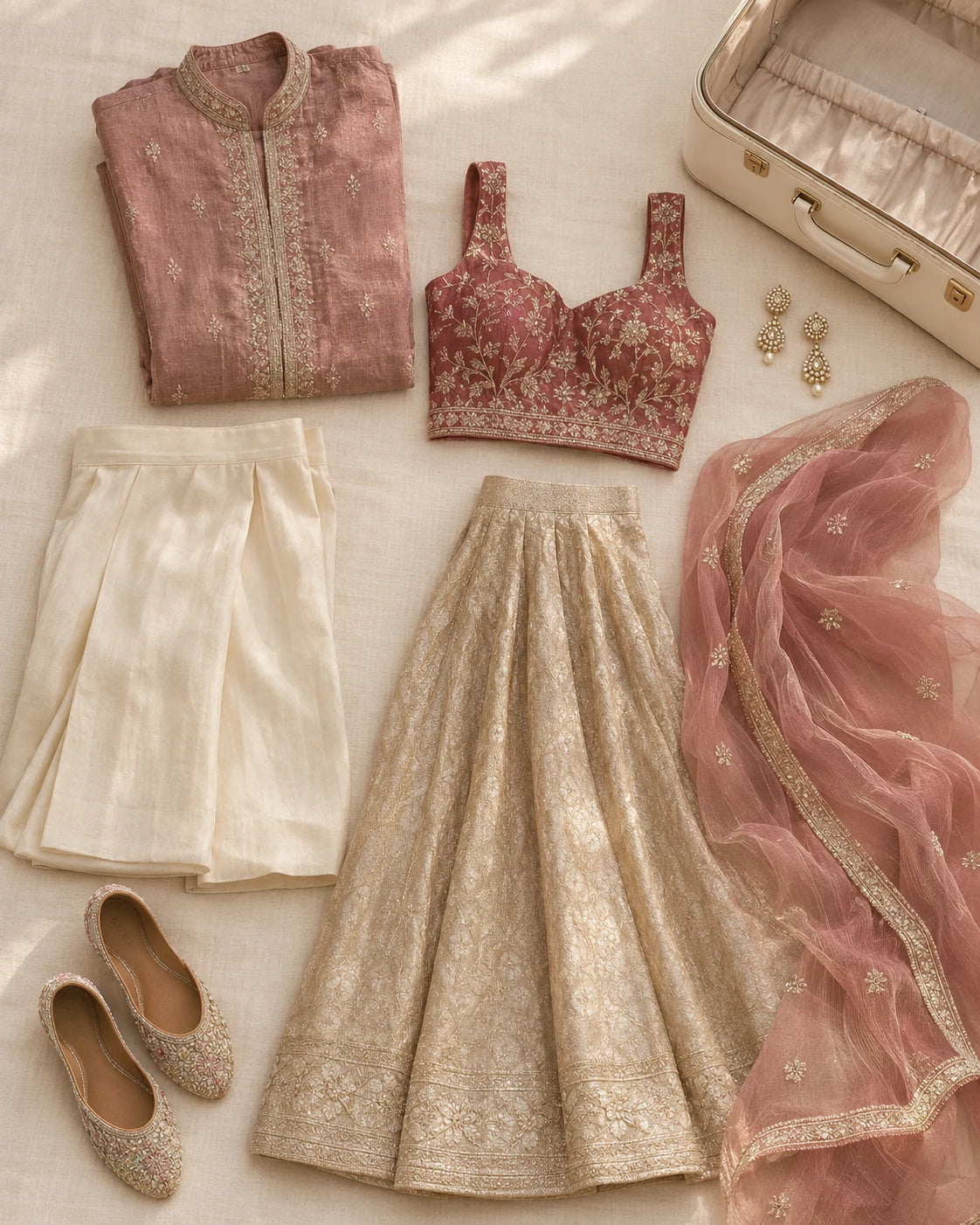
Three invitations, several group chats and a bag that would prefer you to make a decision. A more companionable way to pack for a wedding.

Before you add the necklace, look at the blouse. A practical guide to giving jewellery and clothing room to get along.
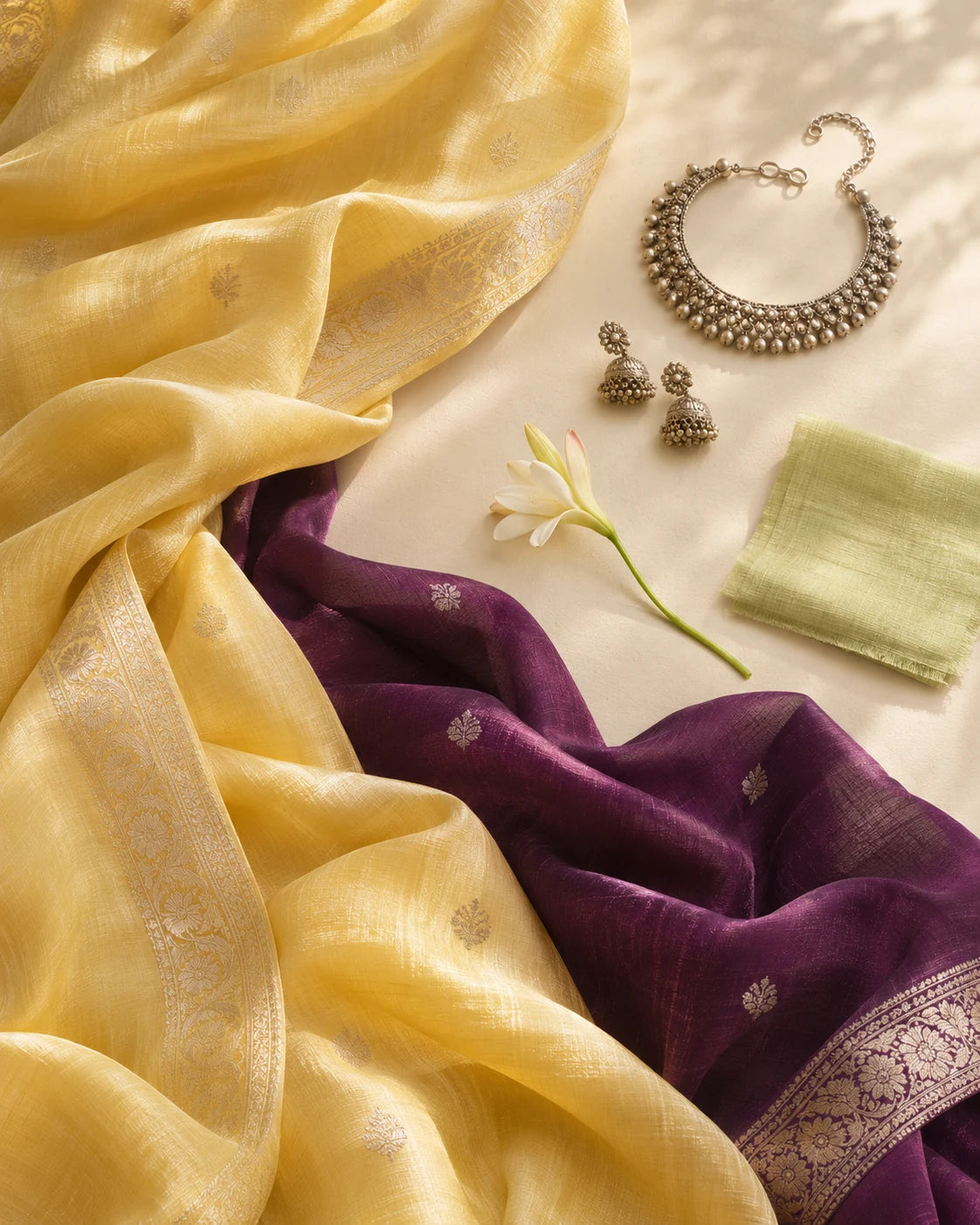
A soft yellow. A deep purple. An unexpectedly good introduction. Three colour conversations on our moodboard for 2027.
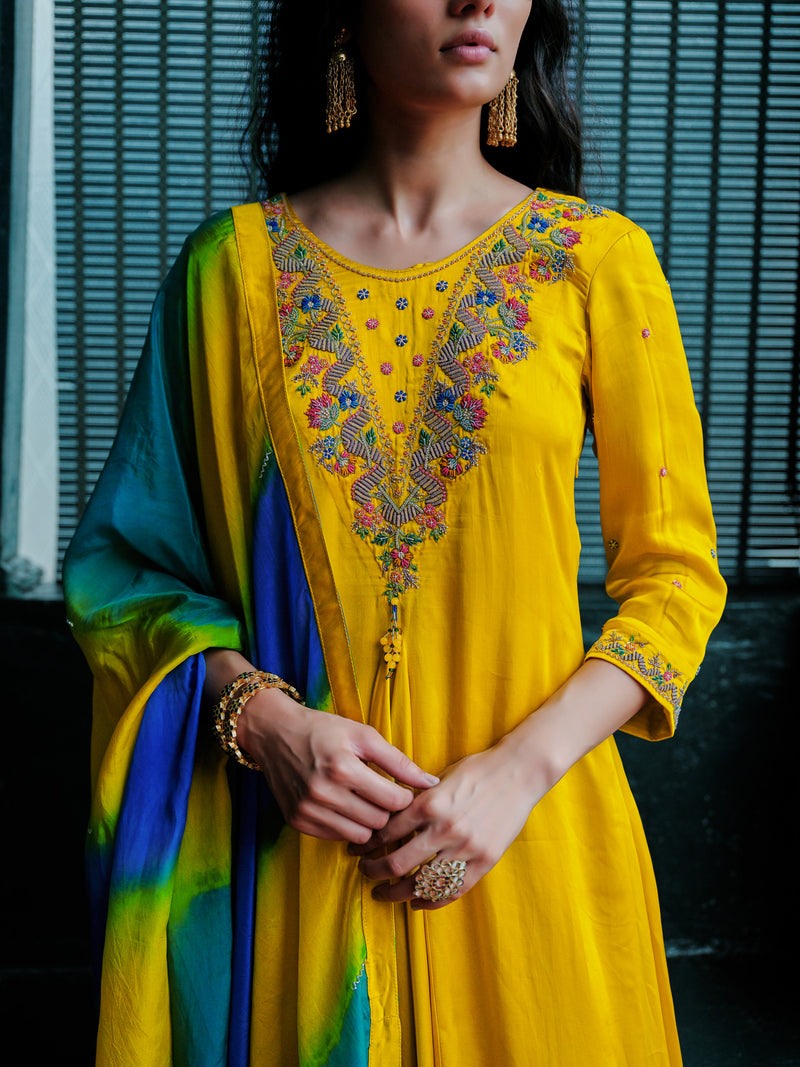
Tonal embroidery, considered shine and surfaces that reward a second look. Our editorial watchlist for the year ahead.
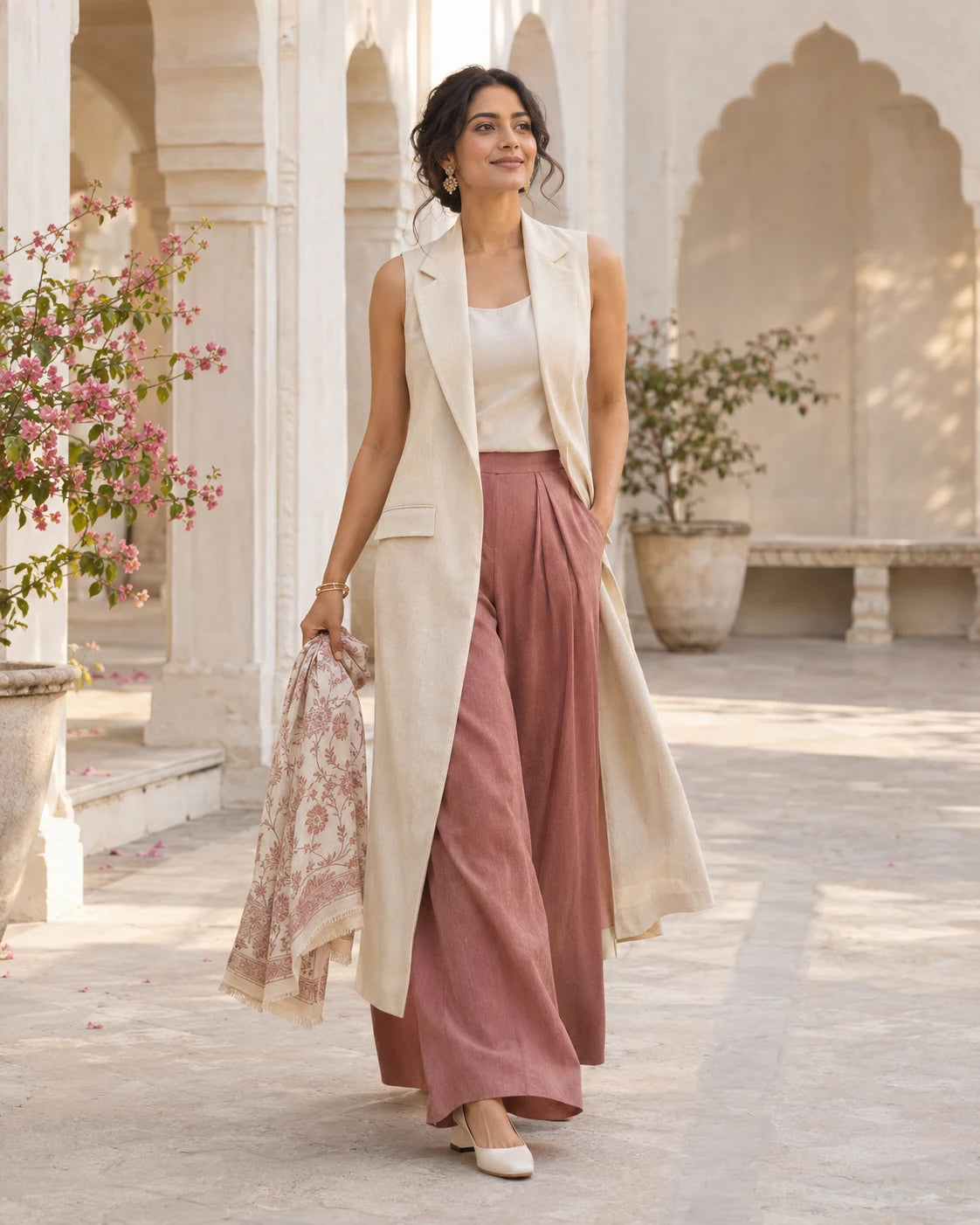
The blouse leaves its matching set. The jacket makes new friends. Why flexible separates are on our editorial watchlist.
Original Ananti forecasts and styling ideas, not a claim of industry consensus.
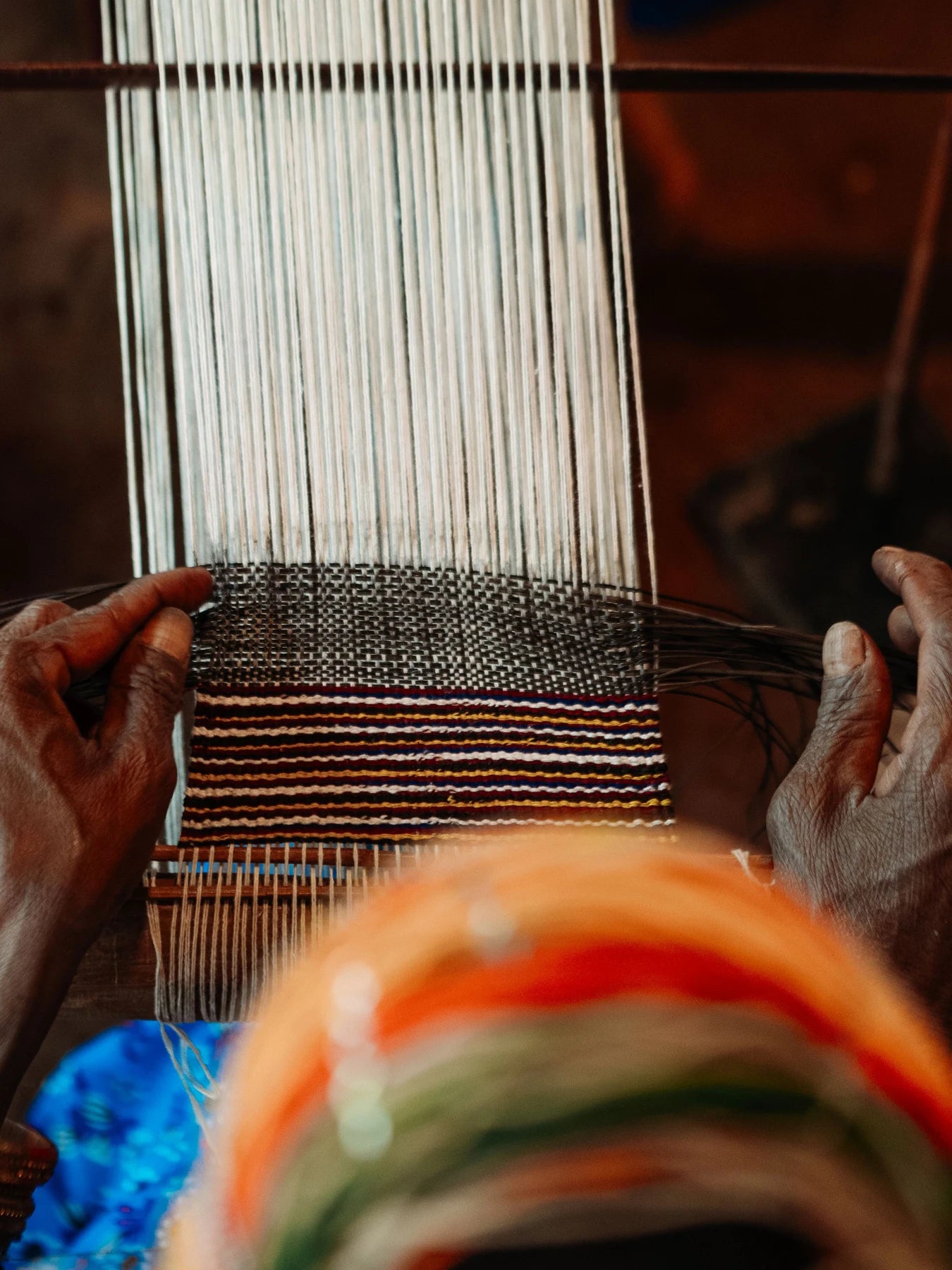
At Vogue Forces of Fashion, unexpected starting points open up a different conversation about craft.

Suneet Varma’s November interview offers a closer look at a collection of river-city references and modern separates.
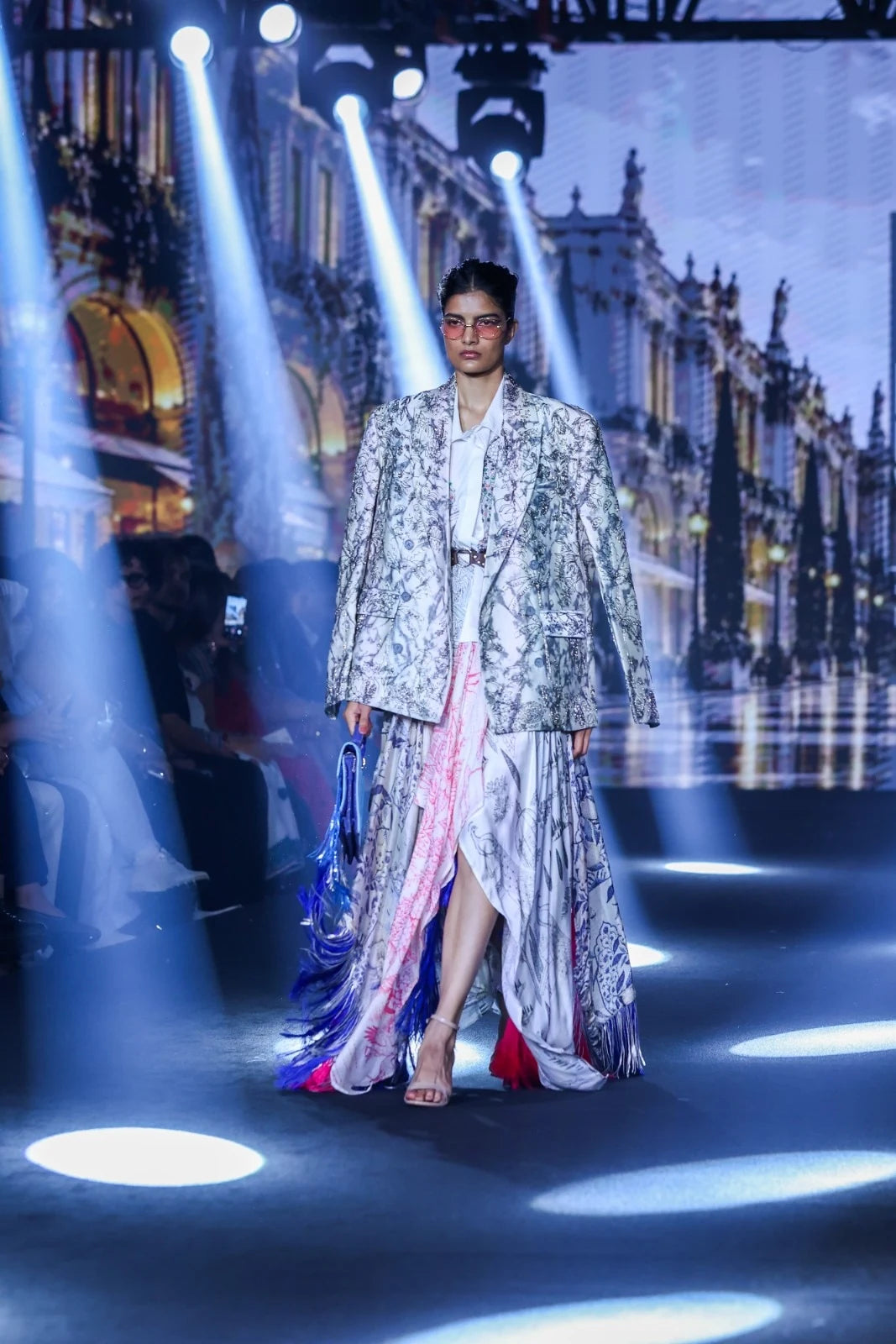
Rahul Singh’s Indi-Vita puts handwork, relaxed shapes and a Mediterranean reference in the same conversation.
Sixteen stories, four ways in.
An exploration of heritage, individuality, and the ever-evolving art of dressing Indian.
Begin with the occasion. Make the rest your own.
Contrast, harmony, and the shades you keep coming back to.
Indian bridal couture, reimagined.
The invitation says mehendi. Your saved folder says Mayfair. Somewhere between the two is a very good outfit.
A mother, a daughter, a safety pin and a blue silk sari that keeps finding somewhere new to go. A short story for the things we keep.
Aari, zardozi, chikankari: a small vocabulary for looking at beautiful clothes with a more curious eye.
The skirt would like to meet a shirt. The blouse has been eyeing your trousers. A small experiment for the outfit you already love.
Three invitations, several group chats and a bag that would prefer you to make a decision. A more companionable way to pack for a wedding.
Before you add the necklace, look at the blouse. A practical guide to giving jewellery and clothing room to get along.
A soft yellow. A deep purple. An unexpectedly good introduction. Three colour conversations on our moodboard for 2027.
Tonal embroidery, considered shine and surfaces that reward a second look. Our editorial watchlist for the year ahead.
The blouse leaves its matching set. The jacket makes new friends. Why flexible separates are on our editorial watchlist.
At Vogue Forces of Fashion, unexpected starting points open up a different conversation about craft.
Suneet Varma’s November interview offers a closer look at a collection of river-city references and modern separates.
Rahul Singh’s Indi-Vita puts handwork, relaxed shapes and a Mediterranean reference in the same conversation.
No stories matched this search. Try a colour, a garment or another category.
See all storiesAn exploration of heritage, individuality, and the ever-evolving art of dressing Indian.
Indian elegance has never been confined to a single silhouette, a particular era, or a set of traditions. It is an expression that continues to evolve, carrying the richness of the past while embracing the freedom of the present.
There is something extraordinary about Indian fashion. The poetry of a flowing dupatta, the intricacy of delicate embroidery, the quiet grandeur of beautifully draped fabric. Each element holds a certain familiarity, yet leaves endless room for reinvention.
Today, that elegance is finding a new voice.
Traditional silhouettes are being reimagined with contemporary proportions. Classic kurtas embrace unexpected cuts, flowing shararas meet structured details, and timeless craftsmanship finds its place in effortless Indo-Western ensembles. The result is a wardrobe that feels both deeply rooted and refreshingly individual.
True luxury has never been about excess. It lives in the finer details—the graceful fall of a garment, the thoughtful placement of an embellishment, the harmony between colour, texture, and form.
A beautifully considered silhouette needs little introduction. Its elegance reveals itself in movement, in craftsmanship, and in the confidence of the woman who wears it.
It is this understated sophistication that gives Indian fashion its enduring appeal.
At Ananti, we believe tradition is not something to be preserved unchanged, but something to be celebrated, interpreted, and carried forward.
Our perspective embraces the beauty of Indian craftsmanship alongside the individuality of contemporary dressing. From timeless ethnic ensembles to modern Indo-Western expressions, each style reflects a dialogue between where we come from and who we are becoming.
Because the most compelling expression of elegance is never simply about what is worn.
It is about the woman who makes it her own.
ANANTI INDIA — A Contemporary Expression of Timeless Elegance.
The invitation says mehendi. Your saved folder says Mayfair. Somewhere between the two is a very good outfit.
A mother, a daughter, a safety pin and a blue silk sari that keeps finding somewhere new to go. A short story for the things we keep.
Aari, zardozi, chikankari: a small vocabulary for looking at beautiful clothes with a more curious eye.
Begin with the occasion. Make the rest your own.
A celebration is rarely a single photograph. There is the journey, the greeting, the long conversation, and sometimes a very late evening. Before choosing an outfit, think about what the day asks of it. A seated dinner, an outdoor gathering, and a dance floor make different demands on fabric, layers, and movement.
A familiar shape is a useful starting point. If you feel at home in a kurta set, explore a different proportion or a more detailed neckline. If you prefer a gown, consider how it moves when you walk and sit. Personal style becomes clearer when comfort is part of the decision.
An embroidered neckline, a vivid dupatta, or a jacket can give a look its focus. Build around that detail rather than making every element compete. Try the outfit with the footwear and accessories you intend to wear, and look at the whole combination in daylight.
Consider which parts of an ensemble you could wear again. A jacket might accompany a quieter base; a dupatta might bring a different mood to a familiar silhouette. Buy with your existing wardrobe in mind, as well as the event ahead.
Ask about fabric, garment measurements, production time, and alterations before committing. For a made-to-order piece, allow room for both creation and fit. A personal appointment is an opportunity to bring those questions together.
The skirt would like to meet a shirt. The blouse has been eyeing your trousers. A small experiment for the outfit you already love.
Three invitations, several group chats and a bag that would prefer you to make a decision. A more companionable way to pack for a wedding.
Before you add the necklace, look at the blouse. A practical guide to giving jewellery and clothing room to get along.
Contrast, harmony, and the shades you keep coming back to.
Your wardrobe contains useful clues. Notice the shades you reach for without hesitation and the ones you admire but rarely wear. Start with a familiar favourite, then experiment with its depth, brightness, or the way it is combined with another colour.
A contrasting dupatta or accessory can change the character of an outfit. Choose one deliberate relationship: warm against cool, deep against pale, or a neutral with a strong accent. You do not need several competing contrasts to make the look interesting.
The same colour behaves differently in a matte fabric and a reflective one. Look at a garment in more than one photograph, especially when buying online. Ask for a closer view where possible, and remember that screens can represent colours differently.
Styling advice can introduce ideas; it should not become a rulebook. Try the complete outfit, including the details you would actually wear. The useful question is whether the combination feels right for you and the occasion.
A soft yellow. A deep purple. An unexpectedly good introduction. Three colour conversations on our moodboard for 2027.
Tonal embroidery, considered shine and surfaces that reward a second look. Our editorial watchlist for the year ahead.
The blouse leaves its matching set. The jacket makes new friends. Why flexible separates are on our editorial watchlist.
Indian bridal couture, reimagined.
NEW DELHI | OCTOBER 2026
Indian couture has always been a celebration of extraordinary craftsmanship. Yet its beauty lies equally in its ability to evolve, allowing centuries-old traditions to find expression through modern silhouettes and changing sensibilities.
At Lakmé Fashion Week × FDCI 2026, designer Anushree Reddy presented MAYA, a bridal couture collection that explored this beautiful relationship between heritage and imagination.
Rich zardozi embroidery, delicate resham threadwork, shimmering sequins, and intricate glass-bead embellishments defined the collection.
Romantic lehengas, fluid drapes, and sculptural gowns brought together the ornamental richness of Indian craftsmanship with contemporary design.
Rather than following a single interpretation of bridal dressing, the collection explored different expressions of femininity, balancing intricate details with graceful movement.
Perhaps the most compelling aspect of MAYA was its freedom of expression.
Traditional techniques appeared alongside unexpected silhouettes, demonstrating that Indian occasionwear need not be confined to familiar forms.
The runway moved between embellished lehengas and contemporary gowns, with soft pastels, vivid pinks, and intricate surface detailing creating a visual conversation between heritage and modernity.
It was a reminder that innovation in Indian fashion does not always mean leaving tradition behind. Sometimes, it simply means seeing familiar craftsmanship through a different lens.
For the modern Indian wardrobe, this evolution opens up endless possibilities.
A beautifully embroidered kurta can feel as distinctive as an elaborate lehenga. A contemporary drape can carry the same cultural richness as a traditional ensemble. And thoughtfully designed Indo-Western clothing can celebrate both worlds without compromising either.
At Ananti, this is the evolving language of Indian elegance that continues to inspire our perspective on fashion.
Tradition remains the foundation. Individuality gives it a new expression.
The Ananti Edit — Exploring the stories, craftsmanship, and creative perspectives shaping Indian fashion.
At Vogue Forces of Fashion, unexpected starting points open up a different conversation about craft.
Suneet Varma’s November interview offers a closer look at a collection of river-city references and modern separates.
Rahul Singh’s Indi-Vita puts handwork, relaxed shapes and a Mediterranean reference in the same conversation.
The invitation says mehendi. Your saved folder says Mayfair. Somewhere between the two is a very good outfit.
The invitation says mehendi. Your saved folder says Mayfair. Somewhere between the two is a courtyard, a little afternoon light and an outfit with excellent romantic intentions.
Bridgerton understands the delicious pause before an entrance: a sleeve, a shimmer, the person you were hoping might look up. Season 4 gives Sophie a silver masquerade gown, all carefully worked sparkle and silver lamé chiffon. The part we would bring to an Indian celebration is that sense of anticipation. The carriage can wait.
Begin with something that moves beautifully when you are doing very little. A softly flared anarkali. A gathered skirt. A light dupatta that catches the sun at the shoulder. Pistachio with old silver feels right for our imaginary afternoon; petal pink with a deeper rose border would be lovely too.
Look at the outfit while walking, then while sitting. There is usually a low chair somewhere at a mehendi, and it has a talent for exposing the limitations of a magnificent sleeve. Romance is much easier when you can lift your arms.
Romance is much easier when you can lift your arms.
Perhaps it is a ribbon worked into a braid. Perhaps it is an earring that moves half a second after you turn your head. Give that detail a little space. You will feel the difference when the neckline, the hair and the jewellery stop talking over one another.
For a woman who feels most herself in trousers, the mood travels beautifully: a long, gently flared kurta, a light layer and a little shine near the face. The romance lives in the proportions and the light.
Wear the shoes you have already walked in. Pin the part of the drape that you know will otherwise occupy your hands. Leave room in the bag for your phone and the hairpin somebody will inevitably need.
By the time the music starts, the outfit should have become an easy accomplice. A little movement, a little sparkle, a clear path to the dance floor. Being the season’s most comfortable romantic sounds rather appealing.
A costume succeeds inside a controlled scene. A celebration has sunlight, food, conversations and a journey home. Before borrowing a silhouette, ask what makes it memorable: the raised waist, the translucent layer, the concentration of shine? Keep that one idea and rebuild the rest around the event you are actually attending.
A structured neckline can sit beside a soft skirt without requiring a period costume. A long kurta can carry the same romantic palette. If the venue has grass, steps or a long walk between spaces, try the hem and footwear together before deciding the look is finished. That small rehearsal is often the difference between admiring an outfit and enjoying it.
Select a detail for a styling idea.
Let a structured neckline give the softer layers their shape. Check the space around the edge before adding a necklace.
A screen-inspired styling concept. The image is an original illustration, not a television still or an Ananti product.
References open separately. The full Ananti article is on this page.
An exploration of heritage, individuality, and the ever-evolving art of dressing Indian.
A mother, a daughter, a safety pin and a blue silk sari that keeps finding somewhere new to go. A short story for the things we keep.
Aari, zardozi, chikankari: a small vocabulary for looking at beautiful clothes with a more curious eye.
A mother, a daughter, a safety pin and a blue silk sari that keeps finding somewhere new to go. A short story for the things we keep.
The first time Leela wore the sari, she was twenty-seven and late. Her sister stood behind her with three safety pins between her lips and the expression of someone whose excellent advice had been ignored.
“Stand still.”
Leela turned to look in the mirror. They began again.
The silk was a deep blue. Its border caught the light reluctantly, as though it preferred to be noticed by someone paying attention. Leela had chosen it because the shopkeeper kept calling another sari practical. Practical had not been what she wanted for that particular evening.
Twenty-three years later, the blue sari lay across a bed beneath an open window. Leela’s daughter had arrived with a photograph of a blouse and an unusually clear opinion about the sleeves.
The silk was the same blue. The evening had a different voice.
“You can wear it the way you like,” Leela said. Then she suggested another earring, a different drape and the possibility of wearing her hair up.
Mira looked at her. Leela laughed and went to make tea.
When they returned to the mirror, the sari looked familiar and somehow less obedient. The new blouse changed the shoulder. The small earrings were entirely Mira’s idea. The silk was the same blue. The evening had a different voice.
There was a mark near the lower border, almost invisible unless somebody told you where to look. Mira found it while folding the fabric. “What happened here?”
Leela remembered a paper cup, an enthusiastic cousin and the kind of laughter that makes a person put something down without checking the table.
“Dinner,” she said.
She considered the longer version. Mira was already smiling.
Years later, Mira lent the sari to a friend who had begun to dislike every outfit she owned. They tried it with a plain blouse. They tried another earring. The friend stood differently when she saw herself in the mirror.
Before she left, Mira reached for the little tin of safety pins. One had lost its shine. She replaced it, smoothed the border and stepped back.
For a moment, she remembered being told to stand still. Then the doorbell rang, somebody laughed in the hallway, and the blue sari went out to meet an evening it had never seen before.
A familiar sari can acquire a different mood without losing what made you love it. Begin with the blouse: a changed sleeve, neckline or surface can alter the whole conversation. Try the same sari with two blouses you already own before commissioning a new one. Take a full-length photograph of each combination; the difference is easier to see when you step away from the mirror.
Then look at the border and the drape. Where would you like the detail to sit? Can you carry your bag, sit comfortably and use your hands? There is no single correct personality for the garment. There is, however, a version that works for the evening you are going to have.
Older cloth deserves an individual assessment. The Canadian Conservation Institute explains that fibres, fabric structure, dyes and decoration all influence how a textile behaves. Check for fragile areas before adding pins or tension, follow the garment’s guidance, and seek appropriate professional advice for a delicate heirloom. A story is worth keeping; so is the material carrying it.
References open separately. The full Ananti article is on this page.
An exploration of heritage, individuality, and the ever-evolving art of dressing Indian.
The invitation says mehendi. Your saved folder says Mayfair. Somewhere between the two is a very good outfit.
Aari, zardozi, chikankari: a small vocabulary for looking at beautiful clothes with a more curious eye.
Aari, zardozi, chikankari: a small vocabulary for looking at beautiful clothes with a more curious eye.
From across a room, you see the colour. A few steps closer, the silhouette. Then somebody turns a wrist, a border catches the light, and the real conversation begins.
Knowing the name of a technique will not tell you everything about a garment. It does give you a more useful question than “Is this heavy?” It helps you look at what the decoration is doing, how it meets the fabric, and where you might want that attention to fall.
Aari, also written ari, uses a hooked needle to form chain stitches. The Textile Research Centre describes the thread being drawn through the ground fabric into a sequence of loops; beads or sequins can also be included. Think of a line building its way across a surface, one small connection at a time.
When looking at a finished piece, notice the direction of the work. Does it frame a neckline, travel along a sleeve or create a field across the cloth? For styling, that placement is often more useful than deciding that all detailed clothes need the same accessories. A beautifully worked cuff may be the reason to leave your wrists otherwise bare.
You start seeing decisions where you once saw only decoration.
The V&A describes zardozi through metal-wrapped threads and embellishments. Contemporary examples may use imitation gold or silver, so a metallic appearance is not proof of precious-metal content. Ask what a particular garment uses rather than letting its colour answer for it.
In an outfit, a shining surface can act like punctuation. Try it beside a quieter fabric and look at the complete combination in daylight. A rich border and a plain blouse can give the eye a clear route through the look. If you want several detailed pieces together, check how their scale and placement work as a group.
Traditionally associated especially with Lucknow, chikan is fine whitework on delicate cotton. Its vocabulary includes flat, raised and openwork stitches. Contemporary interpretations vary; the traditional description does not establish the fibre or colour of every garment carrying the name.
A pale-on-pale surface rewards a closer look. Bring your proposed lining, lower half and jewellery into the same light before choosing them. What seems like a small change on a hanger can become the central decision when the whole outfit is worn.
Ask for the main fabric, the technique used on this piece, its lining and its specific care instructions. Ask how alterations might affect a worked border or motif. A photograph can inspire the first question; a clear garment description should answer the next ones.
The useful pleasure of learning about craft is that familiar clothes become less anonymous. You start seeing decisions where you once saw only decoration. The sleeve you turned over might become the part you remember best.
References open separately. The full Ananti article is on this page.
An exploration of heritage, individuality, and the ever-evolving art of dressing Indian.
The invitation says mehendi. Your saved folder says Mayfair. Somewhere between the two is a very good outfit.
A mother, a daughter, a safety pin and a blue silk sari that keeps finding somewhere new to go. A short story for the things we keep.
The skirt would like to meet a shirt. The blouse has been eyeing your trousers. A small experiment for the outfit you already love.
You know the photograph. The skirt, the blouse, the dupatta, the exact earring you wore with all three. It was a lovely evening. The outfit has been waiting very politely for its next one.
Take it out of the cupboard on a day when you have nowhere urgent to be. Lay the pieces separately on the bed. The skirt is still magnificent. The blouse looks unexpectedly small on its own. The dupatta, free of the rest of the conversation, suddenly seems full of possibility.
Choose a shirt you enjoy wearing and see where it wants to finish against the skirt. Try it loose, then lightly tucked, then with the sleeves folded once. A few centimetres can change the whole balance.
The plain surface gives the worked fabric somewhere to breathe. Look at the neckline before adding jewellery. An earring may be quite enough. The result should feel like an evening you want to go to, rather than a styling task you have completed.
The result should feel like an evening you want to go to, rather than a styling task you have completed.
Introduce it to a pair you already trust. Pay attention to the waist, the length and the way the two fabrics sit beside each other. Add an open shirt or a light jacket if that makes the combination feel more like you.
If a small alteration would help, have a proper conversation with a skilled tailor about the fabric and construction. Sometimes the useful change is the one nobody will see: a fastening, a lining detail, a little more ease where you need it.
Over a plain kurta and trousers, its border gets an entirely different introduction. Try the line across the shoulder, then down the front. See where your hands are free and the detail stays visible. Change one accessory at a time while you find the balance.
You may love two combinations and dismiss the third. That still gives a familiar outfit another place to go. Put the pieces back with the photographs of the looks you liked. The next invitation can arrive whenever it pleases.
Start at the waist. Check where the shirt, blouse or jacket finishes against the lower half and whether the fastening stays comfortable when you sit. A tuck changes proportion, but it can also add bulk; try both versions rather than treating a styling photograph as an instruction. Where fabric meets embroidery, look for anything that catches as you move.
Then check the occasion. The outfit for a long seated dinner may need a different drape from the one you want on a dance floor. Put the actual shoes and bag into the rehearsal. Before making a permanent alteration, explain the original construction to the tailor and ask which changes are reversible. A new combination should earn its place by being enjoyable to wear.
Try a familiar plain shirt, then change the tuck and sleeve fold before deciding on the proportions.
Original AI-created styling concepts; these are not catalogue products.
Begin with the occasion. Make the rest your own.
Three invitations, several group chats and a bag that would prefer you to make a decision. A more companionable way to pack for a wedding.
Before you add the necklace, look at the blouse. A practical guide to giving jewellery and clothing room to get along.
Three invitations, several group chats and a bag that would prefer you to make a decision. A more companionable way to pack for a wedding.
The suitcase is open. The bed has disappeared. Every outfit appears to require a different shoe, a different necklace and a different version of your personality. Meanwhile, the wedding group chat would like to know your arrival time.
Before the larger bag enters the conversation, try a smaller cast of clothes.
Begin with two main colours and one accent, drawn from things you already like wearing. Cream and rose with an antique-gold note would suit our imaginary weekend. Inky blue and pale silver could make an entirely different little world.
Set out a skirt, trousers, a blouse, a longer top and a dupatta or light layer. This is a starting cast; the invitations and the pieces you own decide who stays. Try the combinations on. Hangers are wonderfully optimistic about proportions.
Hangers are wonderfully optimistic about proportions.
At the first gathering, the longer top and trousers might be the easy pair, with an earring supplying the celebration. At the next, let the skirt and blouse have their moment. For another outing, see what the longer top makes of the skirt, or what the blouse does beside the trousers.
The useful part happens when you find three combinations you would happily wear. Photograph them. Future you, with somebody waiting downstairs and a room key somewhere under the bedspread, will appreciate the thought.
Shoes should know what ground they are meeting. Jewellery should travel without catching on the fabric beside it. Fold or hang each garment according to its care guidance, and check the baggage allowance for the journey you are actually taking.
Leave room for the clothes you will wear between celebrations. There will be a journey, a slow breakfast, a moment when everyone is finally ready to sit down. The weekend contains a little ordinary life, and you will want something comfortable to meet it in.
Close the case. Find the arrival time. You have been invited somewhere lovely. It would be a shame to spend the whole visit thinking about your luggage.
Write down the complete looks, not just the garments. Beside each, list underwear, shoes, jewellery, bag and any fastening you genuinely need. You will quickly see what can repeat and what is travelling for only one hopeful photograph. Keep a comfortable change for the journey and the unplanned hour between functions.
Packing technique depends on the piece. Fabric structure and attached decoration affect how textiles respond to pressure and handling; a museum’s advice is a reminder to look closely, not a universal folding recipe for a suitcase. Use the garment’s own instructions, avoid allowing a heavy embellishment to press against a delicate surface, and ask its maker if you are unsure. A thoughtful capsule still needs thoughtful packing.
References open separately. The full Ananti article is on this page.
Begin with the occasion. Make the rest your own.
The skirt would like to meet a shirt. The blouse has been eyeing your trousers. A small experiment for the outfit you already love.
Before you add the necklace, look at the blouse. A practical guide to giving jewellery and clothing room to get along.
Before you add the necklace, look at the blouse. A practical guide to giving jewellery and clothing room to get along.
The necklace looked perfect in its box. The blouse looked perfect on the hanger. Together, in the mirror, they have begun a small argument. Nobody is badly dressed. They are simply both trying to introduce themselves first.
Jewellery is easier to choose when you begin with the clothes you are actually wearing. A neckline has a shape, but it also has a fabric, an edge, perhaps a line of embroidery and the movement of the person inside it. Consider those details before reaching for a rule about what every V-neck or square neck supposedly needs.
Put the blouse or kurta on with the intended lower half. Look at where your eye settles. If the neckline is richly worked, try an earring and leave the neck open for a moment. With a quieter edge, introduce a pendant or a shorter necklace and see how its line sits against the garment. The experiment costs nothing and often answers the question quickly.
Take a photograph from a little distance. Close-up mirrors make us edit fragments; an outfit is seen as a whole. You may discover that the small earring has plenty to say once the dupatta and the blouse are in the frame.
You are choosing an outfit for a person, not solving a geometry exercise.
A necklace that rests directly on an embellished edge can look very different from one with a little clear space around it. Neither result is automatically wrong. Try the length you own, then consider whether an adjustment would help. Look down, turn your head and sit before deciding. A piece that constantly needs repositioning is asking you to spend the evening styling it.
Also check the practical relationship between surfaces. Does an earring catch in the drape? Does a bracelet meet a worked cuff every time you move your hand? Try the proposed combination gently and stop if something snags. Looking complete should not involve keeping perfectly still.
Put your hair approximately where it will be on the day. Then add the dupatta or sari pallu. The space around the face changes as these elements arrive. An earring that felt too noticeable with everything pulled back may feel quite different with loose hair; another may disappear completely.
Keep the version that feels good in motion. The best answer may be more jewellery than you expected, or a single pair of earrings you had nearly overlooked. You are choosing an outfit for a person, not solving a geometry exercise.
Try three versions: earrings alone, necklace alone, and the pair together. Photograph each without changing the clothes. Choose the one you would be happy to leave the house in, then put the other options away. Sometimes the final touch is a decision.
Begin with the occasion. Make the rest your own.
The skirt would like to meet a shirt. The blouse has been eyeing your trousers. A small experiment for the outfit you already love.
Three invitations, several group chats and a bag that would prefer you to make a decision. A more companionable way to pack for a wedding.
A soft yellow. A deep purple. An unexpectedly good introduction. Three colour conversations on our moodboard for 2027.
Butter yellow has a lovely way of entering a room. Gently, as though it has come for the afternoon and plans to stay for tea. Put a little jamun purple beside it, though, and the conversation becomes considerably more interesting.
That is the sort of colour relationship we are watching for 2027: a familiar shade given a companion with a different temperament. The outfit acquires a little tension, a little depth. You may already own the two pieces. You may simply have never introduced them.
Give the yellow most of the space. Bring the deep purple in at the edge of a dupatta, in a bag or close to the face. The small, darker note lends the softness a little gravity. Reverse the balance for an evening version and see how decisively the mood changes.
We would begin with unequal proportions. A whole garment and a narrow accent create a different conversation from an even split. Lay the colours beside each other near a window. Move one away. Bring it back. Your eye will tell you quite a lot.
You may already own the two pieces. You may simply have never introduced them.
This pairing speaks more quietly. Keep the green a little softened and the metal low in shine. A woven surface or a worked cuff can give the eye something to discover. It feels especially appealing for a daytime celebration where you want the light to do some of the dressing.
A pearl tone or a chalk accent can play a similar role if that is what you have. You are looking for a cool interruption in a green field; the exact accessory is yours to choose.
Dusty pink beside a clay-toned orange has a warmth we keep returning to. Try one matte surface and one with a small gleam. A rose kurta with a terracotta scarf, perhaps, or a darker skirt with a pale blouse. Let one colour be the host and the other the very welcome guest.
These are our colour bets for the year ahead, held lightly enough to change. For now, they make a fine excuse to open the cupboard and put two familiar things on the bed. Sometimes a wardrobe needs a better introduction.
An outfit is a meeting of surfaces as well as shades. A matte yellow beside a highly reflective purple will behave differently from two softly textured fabrics in similar colours. Lay the real pieces together, then try them on. A screen swatch is useful for an introduction; it cannot show the weight, transparency or changing light of the cloth.
For a low-commitment experiment, let a familiar base keep most of the space. Introduce the companion colour through a dupatta, a blouse you already own or a small accessory. If the result feels too divided, make one area larger and the other smaller. These are our editorial suggestions for 2027, not a set of colours anyone needs to buy to be well dressed.
Let butter yellow lead; bring jamun in as a smaller, deeper accent.
A digital moodboard suggests relationships. Compare the actual fabrics in the light where you plan to wear them.
Contrast, harmony, and the shades you keep coming back to.
Tonal embroidery, considered shine and surfaces that reward a second look. Our editorial watchlist for the year ahead.
The blouse leaves its matching set. The jacket makes new friends. Why flexible separates are on our editorial watchlist.
Tonal embroidery, considered shine and surfaces that reward a second look. Our editorial watchlist for the year ahead.
There is a kind of outfit you notice twice. First, because the colour or the shape feels right. Then, when someone comes closer, because the surface has been keeping something to itself. A small raised line. A change in the weave. A border that answers the light a little differently from the cloth around it.
That second look is on our mind for 2027. This is an Ananti editorial forecast: a set of directions we would like to explore, rather than a claim that the whole industry has reached an agreement. Fashion rarely behaves so politely.
We are interested in embroidery that stays close to the colour beneath it while changing its surface. Think cream against cream, a deeper rose on pale pink, or two neighbouring greens. The appeal is the slow reveal. From a distance, the outfit can feel composed; nearby, it has another story.
Try the idea with something already in your wardrobe. Put a detailed top beside a plainer lower half in a related shade. Look at the combination in daylight. A tonal outfit does not require an exact dye match; the relationship may be more interesting when the two pieces are slightly different.
A forecast is most useful when it gives your own eye something new to do.
One reflective surface can make the others feel more considered. A worked cuff beside a matte sleeve. A gleaming border beneath a plain blouse. Our interest is in placement: where the light lands and what your eye meets next. More ornament is an option, of course. It is simply worth seeing what happens when you change its distribution.
Photograph the look at full length as well as close up. A beautiful detail should have a place in the whole outfit. If it disappears, decide whether you enjoy that private pleasure or would prefer to give it a different companion.
A surface can invite curiosity, but its appearance does not establish how it was produced. Ask about the fibre, the construction and the decorative work on the individual garment. The useful future wardrobe is one you understand better, not one whose photographs have acquired more adjectives.
When shopping, keep one question for the maker or retailer that the image cannot answer. Ask about the lining, the feel of the worked area, or how the piece should be cared for. An informative description can be as persuasive as an immaculate campaign.
Choose a favourite textured piece and give it a quieter companion. Then reverse the balance. You may prefer the first combination, the second, or the outfit you began with. A forecast is most useful when it gives your own eye something new to do.
Contrast, harmony, and the shades you keep coming back to.
A soft yellow. A deep purple. An unexpectedly good introduction. Three colour conversations on our moodboard for 2027.
The blouse leaves its matching set. The jacket makes new friends. Why flexible separates are on our editorial watchlist.
The blouse leaves its matching set. The jacket makes new friends. Why flexible separates are on our editorial watchlist.
The wedding is over. A hairpin has appeared in the lining of your bag. There is one photograph you particularly love. And hanging on the cupboard door is a very beautiful outfit with, as yet, no further engagements.
Our bet for 2027 is that the most interesting occasion pieces will arrive with a few other plans. A blouse that looks entirely at home with plain trousers. A jacket that can leave its matching set. A skirt that does not require the whole cast to return for another performance.
Try an open-front layer over something you already wear. Look at where it finishes, how it moves and whether it is pleasant against the skin. A shape with an independent life can make the rest of a wardrobe look newly considered.
At a fitting, lift your arms. Reach for your bag. Try the jacket open as well as closed. The detail you are looking for may be quite unphotogenic: a fastening that behaves, a sleeve that moves, a lining you will be happy to meet again.
A second life gives a beautiful detail more chances to be noticed.
We like the idea of choosing an embellished blouse because two things at home have already occurred to you. Its matching skirt remains a lovely possibility. So do a plain woven fabric, an existing sari or trousers that know their way around an evening.
A separate earns its place when it works in a complete outfit, not simply because it can be removed from a set. Look at the lining, length and fastening as carefully as the visible decoration. A blouse cut for one particular skirt may need a different companion or a considered alteration before it feels at ease elsewhere.
Make three combinations before calling a piece versatile. Use what you own. If a look only begins to work after another special purchase, keep experimenting. An extra half-hour in front of the mirror can be surprisingly persuasive.
This remains a forecast, and fashion can be gloriously contrary. For now, we are interested in the garment that returns with a different partner and seems more itself each time. Good clothes can be very good company. It is lovely when they stay for another evening.
Consider the practical details that travel between occasions. Can the layer be worn without a special fastening arrangement? Does the blouse sit comfortably with the waistlines you own? Can you reach, walk and sit without repeatedly adjusting the outfit? Try the intended companions together, including the bag and footwear, rather than relying on separate fitting-room memories.
There is no moral prize for extracting a certain number of looks from a garment. Some pieces are loved for one very particular occasion. Our forecast is simply an invitation to look for clothes whose proportions and construction make other possibilities enjoyable. If a beautiful set already gives you exactly what you want, it is allowed to remain a set.
Contrast, harmony, and the shades you keep coming back to.
A soft yellow. A deep purple. An unexpectedly good introduction. Three colour conversations on our moodboard for 2027.
Tonal embroidery, considered shine and surfaces that reward a second look. Our editorial watchlist for the year ahead.
At Vogue Forces of Fashion, unexpected starting points open up a different conversation about craft.
A plastic tie is an unlikely beginning for a fashion conversation. In Vogue India’s 16 November report on Material Matters, it becomes a sculptural element in Ashdeen’s work. Elsewhere, TIL brings atelier remnants into an architectural jacket. Boito draws on Odisha’s textile traditions in an installation inspired by the Mahanadi.
The published Mumbai visitor dates are 19–22 November 2026 at Snowball Studios. The organiser also lists a Delhi edition at DLF Emporio; consult its registration page for the current public dates and available slots.
What makes these experiments interesting is the invitation to look past a material’s first identity. A leftover can retain a trace of its earlier purpose while becoming part of a different form. That tension is often where a viewer begins asking questions: what was kept, what was changed, and how was it held together?
It is a useful way to approach an exhibition. Give one object a little extra time. Look at an edge, a join or the point where the surface changes direction. Read the accompanying explanation before deciding that you understand the making from a photograph. A visually dramatic result can conceal an unglamorous amount of patient construction.
Give one object a little extra time.
For a wardrobe, the lesson we would borrow is attention. Notice the offcut saved after an alteration, the border you keep returning to, or the garment whose construction you have never quite understood. The aim is not to reproduce an artwork with clothes you need to wear tomorrow. It is to become more alert to the decisions inside familiar objects.
A material experiment is also not, on its own, proof of a brand’s wider environmental performance. Enjoy the invention and ask specific questions about any broader claims. Curiosity is most useful when it survives the first impressive image.
References open separately. The full Ananti article is on this page.
Indian bridal couture, reimagined.
Suneet Varma’s November interview offers a closer look at a collection of river-city references and modern separates.
Rahul Singh’s Indi-Vita puts handwork, relaxed shapes and a Mediterranean reference in the same conversation.
Suneet Varma’s November interview offers a closer look at a collection of river-city references and modern separates.
A city can enter a collection without being reproduced as a postcard. In his 12 November interview with Indulge, Suneet Varma describes Kashi through its river, architecture and changing light. The reported wardrobe includes jackets, draped saris, dhoti skirts and trousers, with a palette moving through reds, purples, maroons and black.
Varma also discusses revisiting a Tree of Life artwork from an early cape and bringing it into a Kashi landscape. FDCI’s official programme places the SV by Suneet Varma runway presentation on 15 October 2026. The interview is a November reflection on that collection, rather than a new November runway launch.
The interesting question for a personal wardrobe is how an influence becomes a decision. A place might suggest two colours together, a repeated line or the relationship between a structured layer and something that moves beneath it. Those are ideas you can try without dressing as a literal picture of your inspiration.
Begin with a place you remember clearly. Write down what you actually noticed: the light against a wall, a shade repeated in doorways, the movement of cloth in a market. Then choose one relationship and set out two pieces from your wardrobe. The exercise is an original styling suggestion, not a claim about how the designer’s collection should be worn.
A reference can begin in a landscape; it has to end on a person.
A jacket or blouse becomes more useful when you can imagine its companions. Try the proposed combination at full length, check how the layers finish against each other and see whether the outfit still works when you sit. A reference can begin in a landscape; it has to end on a person.
The pleasure of this kind of dressing is the private connection. You do not need somebody else to identify the city. It is enough that a colour, a proportion or a familiar detail carries something of the memory into an ordinary evening.
References open separately. The full Ananti article is on this page.
Indian bridal couture, reimagined.
At Vogue Forces of Fashion, unexpected starting points open up a different conversation about craft.
Rahul Singh’s Indi-Vita puts handwork, relaxed shapes and a Mediterranean reference in the same conversation.
Rahul Singh’s Indi-Vita puts handwork, relaxed shapes and a Mediterranean reference in the same conversation.
In his 12 November Indulge interview, Rahul Singh describes Indi-Vita as a meeting of Indian craft and an Italian-inspired way of life. The account brings together kantha stitching, shibori dyeing and Indian textiles with relaxed summer silhouettes. Singh explains his attention to the placement of detail, untouched areas and construction that allows movement.
FDCI’s official programme lists Rahul Singh in the 16 October 2026 group presentation. The November interview adds the designer’s explanation of the work; it should not be read as evidence of a November runway debut.
An elaborately worked area can become more noticeable beside a plain one. The eye gets somewhere to rest, then somewhere to return. This is our styling interpretation of the broader conversation about placement, rather than a formula attributed to the designer.
Try a textured blouse with a quieter lower half, or a detailed layer over a base you already know. Look at the proportions before adding another decorative element. The aim is to see the relationship clearly enough to decide whether you enjoy it. Sometimes the plain piece is doing more for the outfit than the most photogenic one.
Sometimes the plain piece is doing more for the outfit than the most photogenic one.
A holiday reference is particularly persuasive when the clothes feel pleasant to move in. Walk, reach and sit in a proposed combination. Look at where the garment pulls and which parts of a layer you keep adjusting. These practical observations belong alongside the first visual impression, not at the end of the purchase.
Finally, ask about the actual fabric and its care. A light-looking photograph cannot establish fibre content, and a collection’s craft story does not automatically verify a broad sustainability claim. There is room to enjoy an imaginative collection while keeping the questions precise. That combination makes for a more interesting wardrobe conversation.
References open separately. The full Ananti article is on this page.
Indian bridal couture, reimagined.
At Vogue Forces of Fashion, unexpected starting points open up a different conversation about craft.
Suneet Varma’s November interview offers a closer look at a collection of river-city references and modern separates.

Style beyond boundaries.